21 November 2025
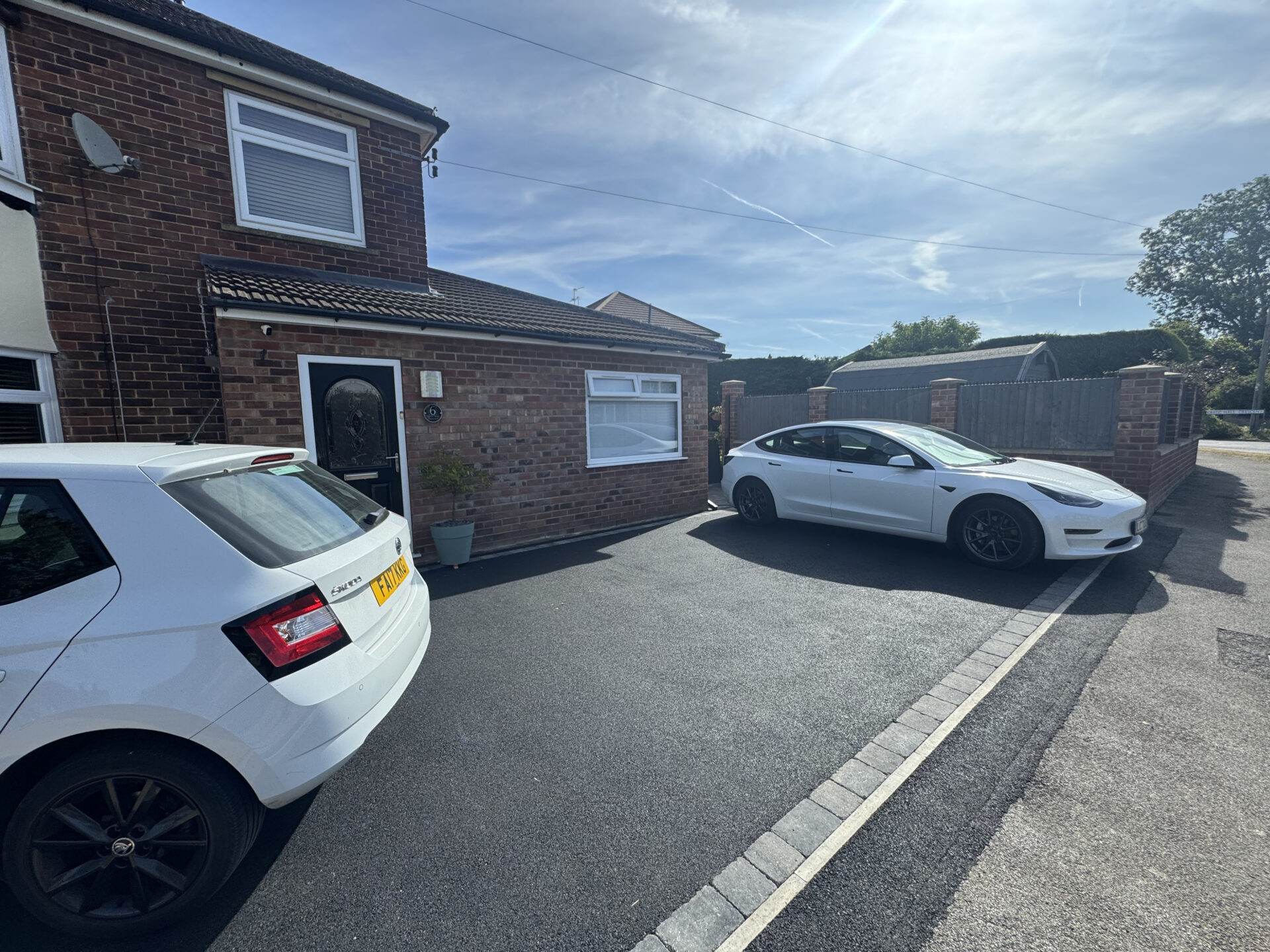
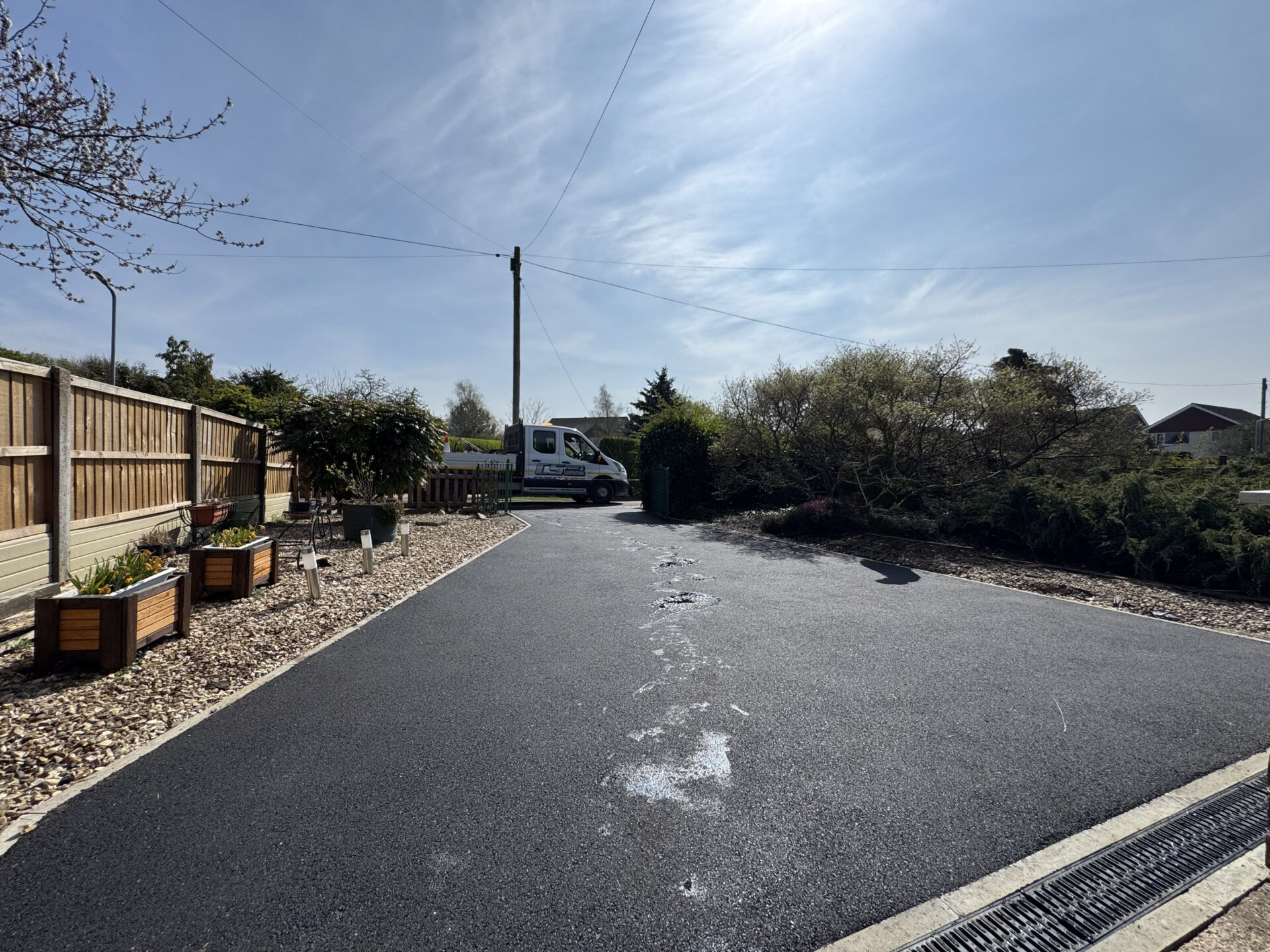
Winter can be tough on outdoor surfaces, especially when they’re newly installed. At CS Paving & Surfacing, we want to help you protect your investment and keep your driveway, paths, and outdoor areas looking their best through the colder months.
Below is a complete, easy to follow winter care guide for all the surface types we install.
No matter which surface you have chosen, the following tips apply across the board:
When temperatures drop below freezing, any surface new or old becomes more vulnerable. Avoid parking extremely heavy vehicles or machinery on frozen surfaces where possible.
For all CS Paving & Surfacing installations:
Avoid harsh rock salts on brand new surfaces where possible, especially within the first 4–6 weeks.
Use non-corrosive de-icers e.g. simple grit/sand for traction.
Never use metal-edged tools, use plastic shovels or soft brushes.
Don’t allow thick ice layers to build up. Clearing little and often reduces the risk of slipping and surface stress.
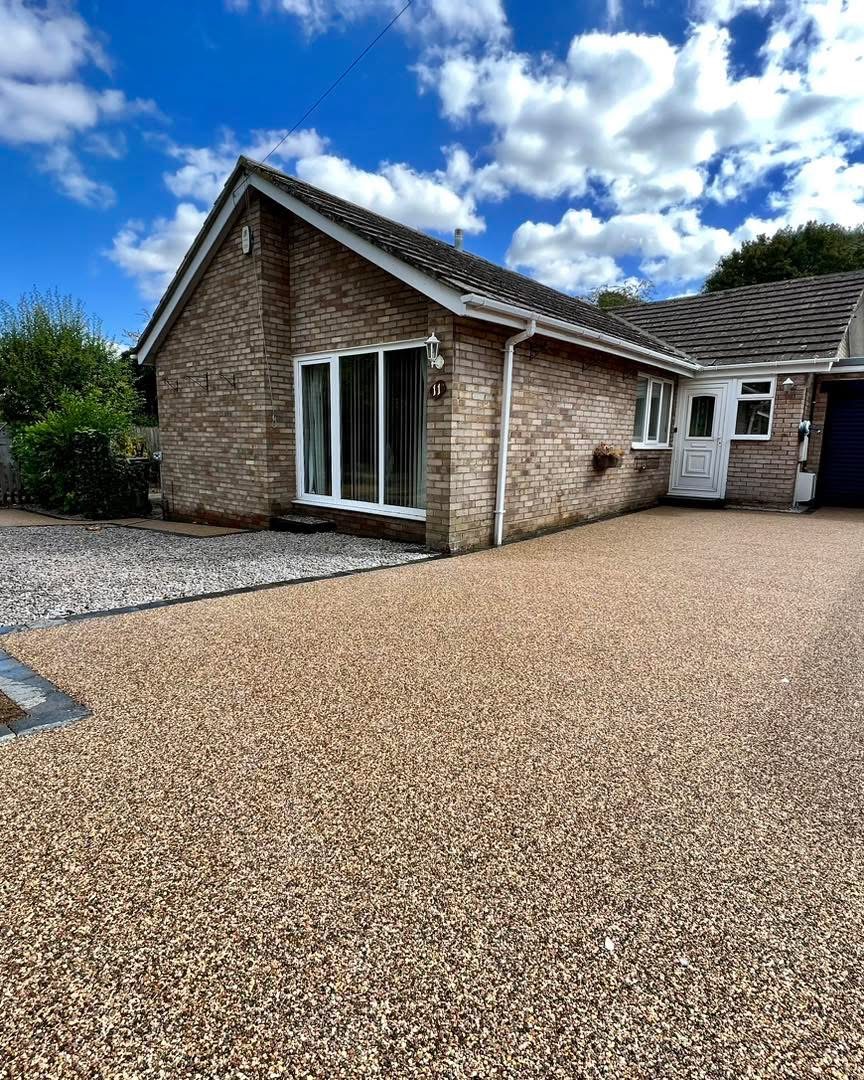
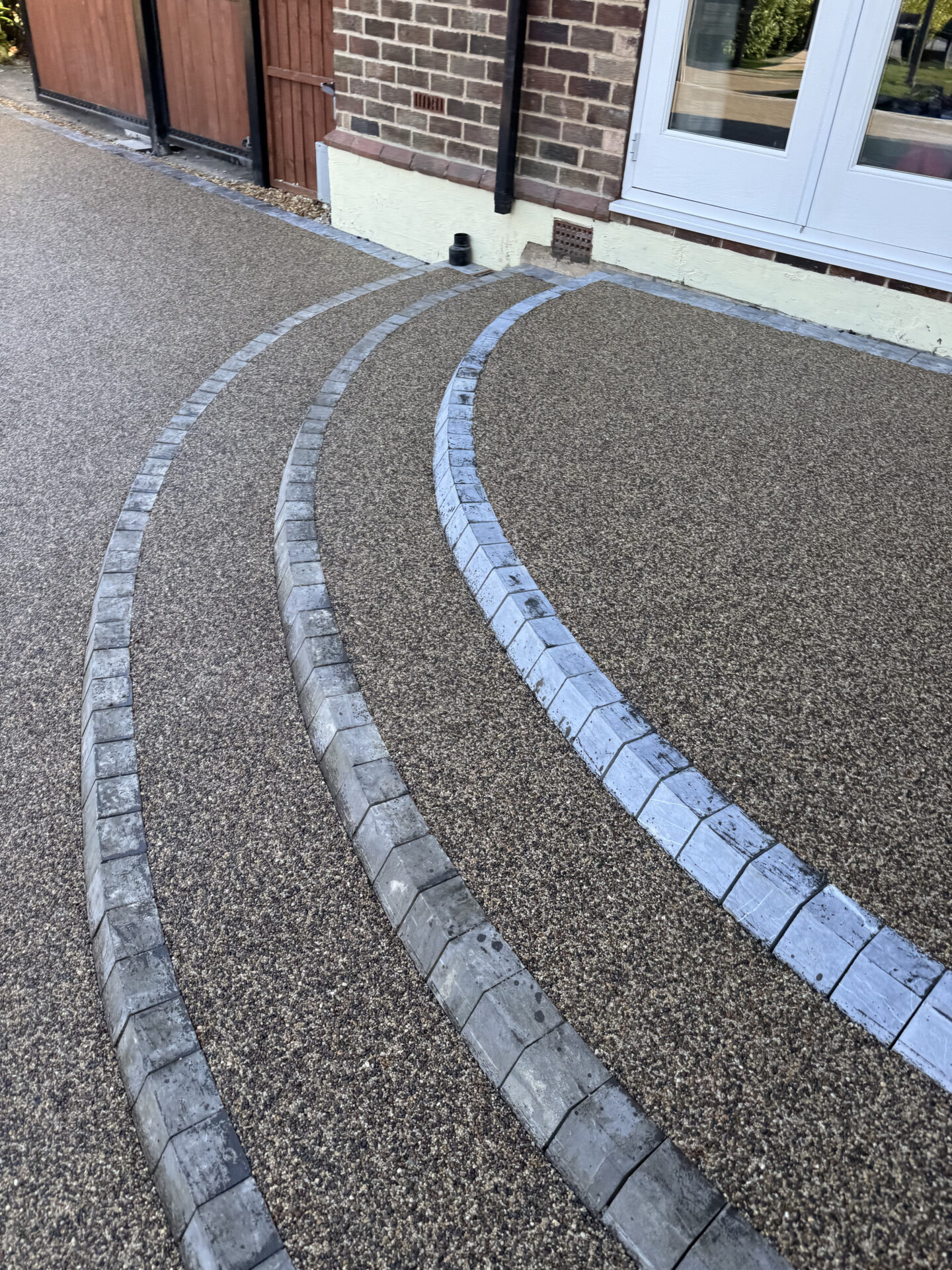
Resin bound surfaces perform well in winter, but they need the right care to keep the system intact.
Resin can become slightly firmer in freezing temperatures.
The permeable structure still allows water to drain, helping reduce ice formation.
✔ Use plastic shovels, never metal.
✔ Apply grit for anti-slip.
✔ Gently clear snow without scraping the surface.
✘ No heavy rock salt in the first month.
✘ Avoid using blowtorches or heated tools to melt ice.
✘ Don’t place heavy static loads during very low temperatures (−5°C and below).
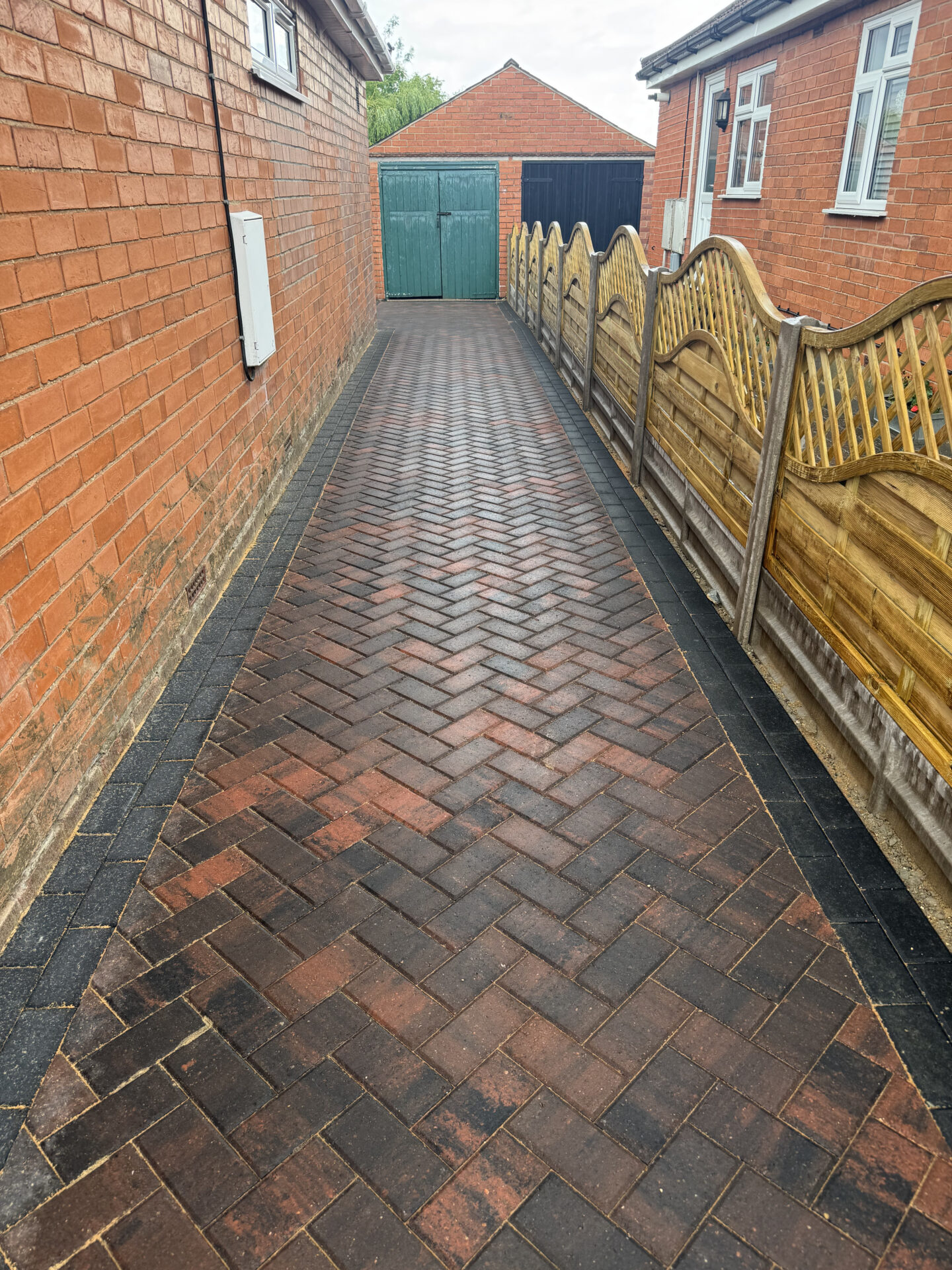
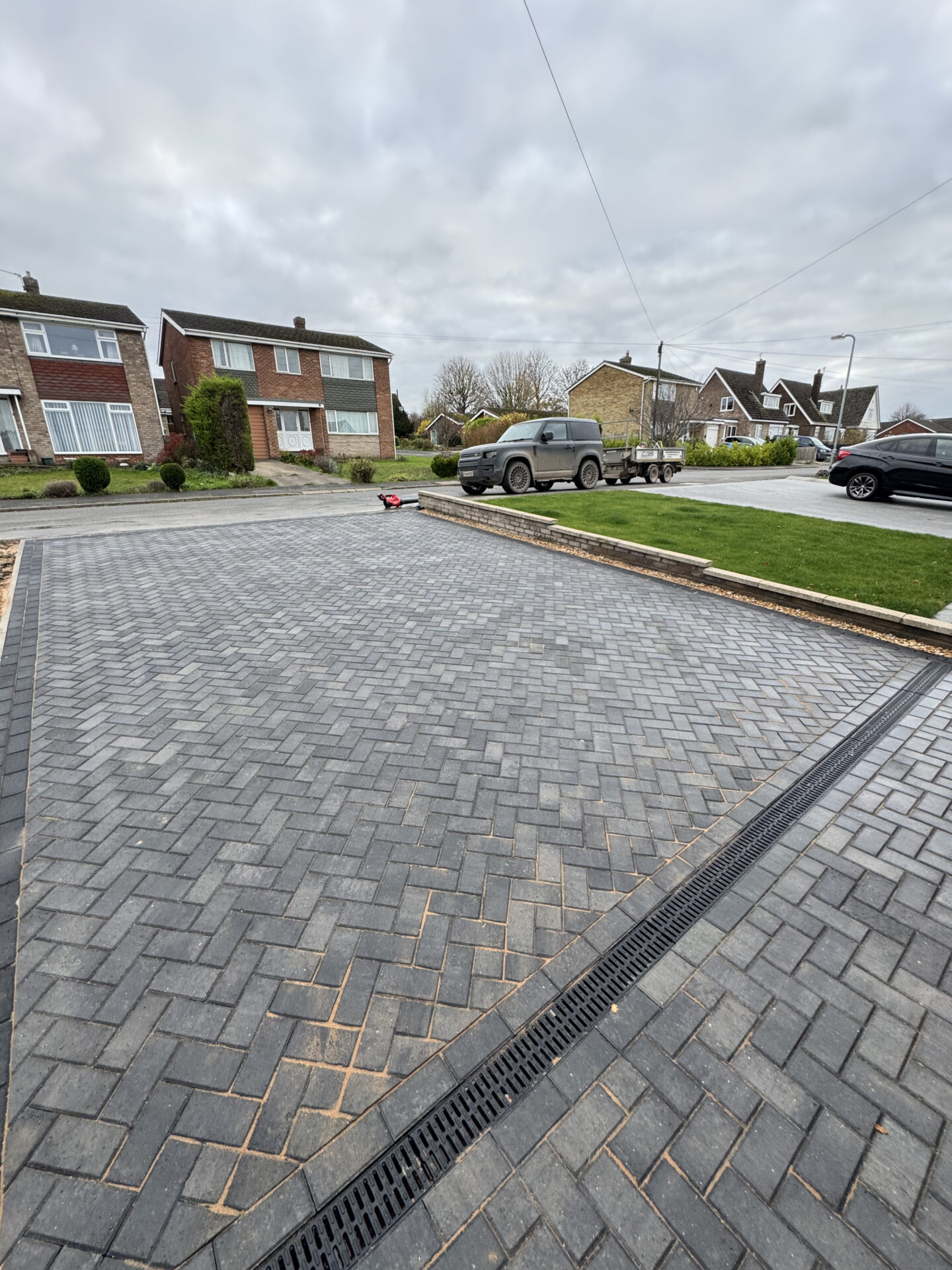
Block paving is durable, but frost and freeze-thaw cycles can move jointing sand if not managed.
✔ Regularly sweep clear snow.
✔ Re-apply kiln-dried sand in spring if winter weather washes some out.
✔ Use grit for icy patches.
✘ Don’t use metal shovels that can chip block edges.
✘ Don’t leave standing water—keep drainage channels clear.
If your block paving is new, some initial settlement is normal – winter moisture can highlight this.
Fresh tarmac is especially sensitive in the early weeks, and winter conditions extend the curing period.
It may take longer than usual (often 2–4 months) for the tarmac to fully harden in cold weather.
Surface softness can increase slightly during warmer winter days.
✔ Avoid parking in the same spot repeatedly during the early winter curing phase.
✔ Use grit, not salt where possible.
✔ Clear snow with a soft shovel or brush.
✘ No turning wheels while stationary – this can scuff soft winter tarmac
✘ Avoid heavy loads (skips, delivery trucks) in the first 4–6 weeks if temperatures are low.
✘ Don’t use chemical de-icers, which can cause staining early on.
Gravel is very winter-friendly and requires little maintenance.
✔ Rake gravel occasionally to maintain even coverage.
✔ Grit works fine – you can apply it directly on top of gravel.
✘ Avoid trying to shovel snow too close to the gravel surface – skim the top instead.
✘ Don’t let snow compact into ice layers, clear early.
Gravel has natural freeze-thaw flexibility, making it one of the most winter-proof surfaces.
Cold weather can temporarily darken resin, tarmac, and block paving during the curing process. This is normal and will settle as temperatures rise.
Snow needs somewhere to go. Backed-up water increases the risk of freeze damage or surface staining.
If you spot cracks, dips, soft patches, or drainage issues, let CS Paving & Surfacing know. Many winter “issues” are temporary and cosmetic, but we are always happy to check.
Whatever the surface, we’re here to support you through winter and beyond – get in touch!

info@drivewayslincolnshire.co.uk
CS Building & Brickwork Ltd, Great Northern Terrace, Lincoln LN5 8HN
